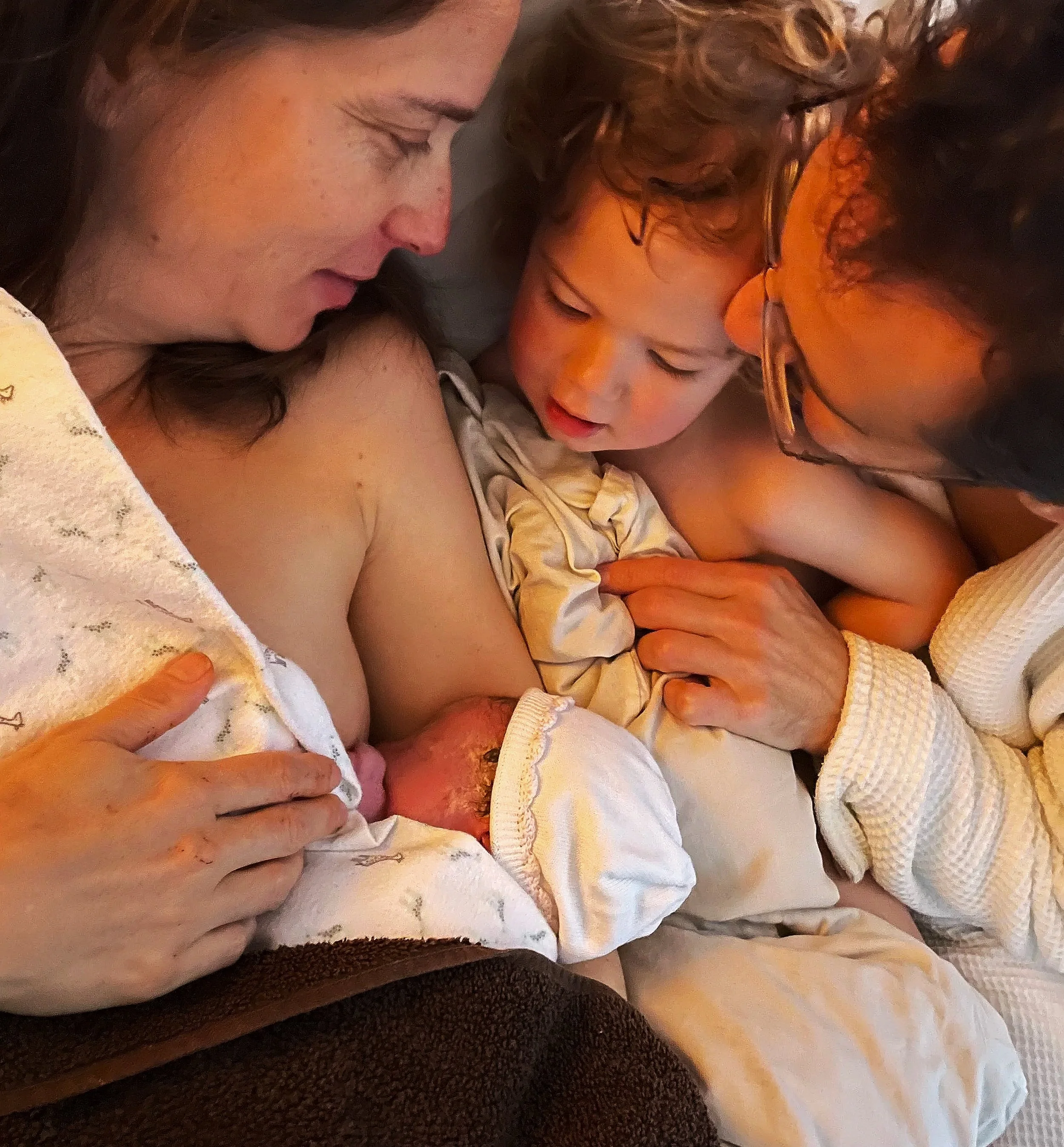
Supporting infants and their families
Birth story processing for infants
Sessions attuned to supporting the infant and the entire family in processing their birth
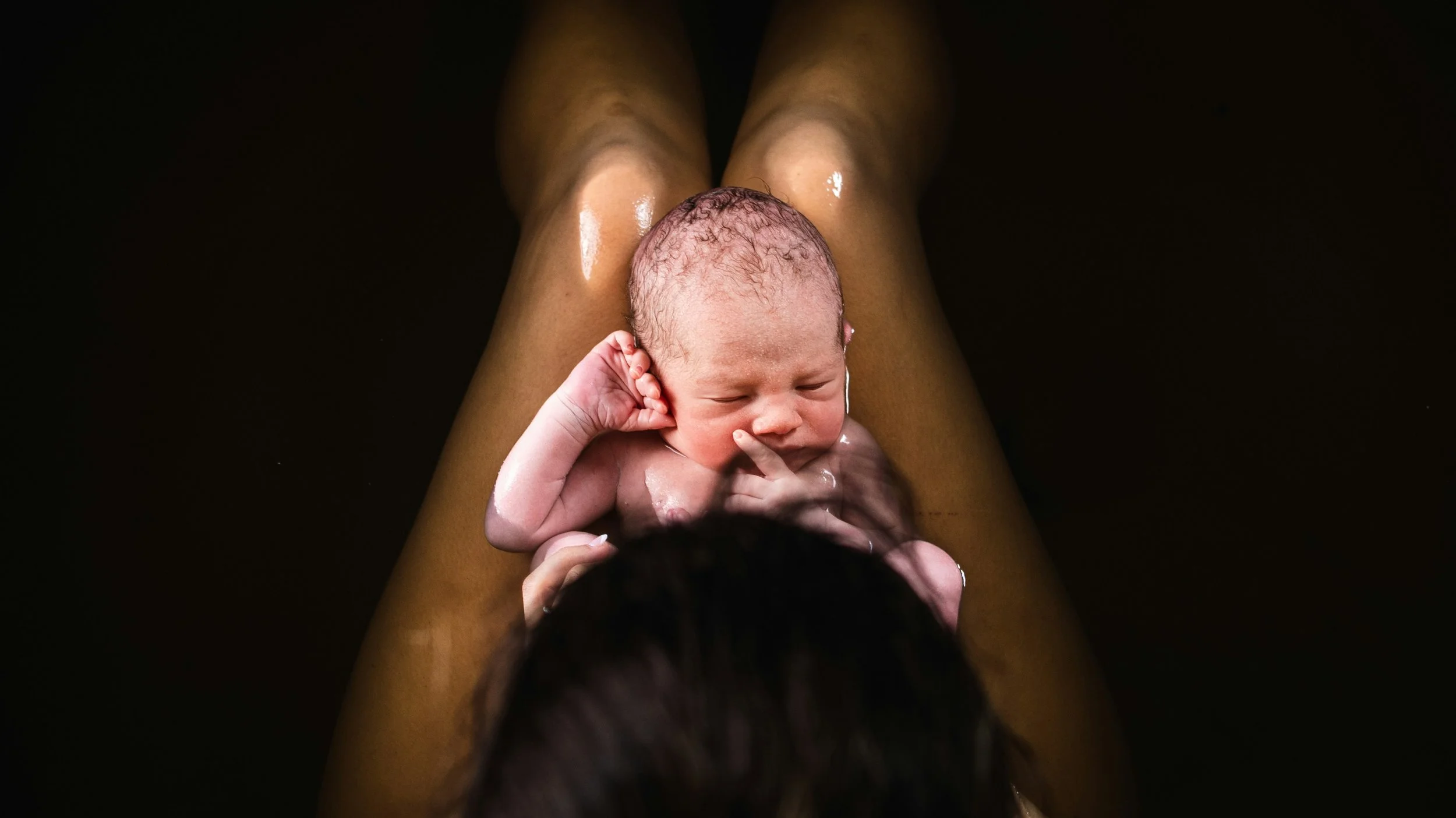
Families come to this work seeking gentle, attuned support for:
Processing and integrating early life experiences (conception, pregnancy, birth, post birth)
Decompressing what often were overwhelming experiences
Deepening attachment and bonding
Establishing more ease in the child’s system -
Feeding challenges, tongue tie, reflux, constipation,
Nervous system - high reactivity, or difficulty settling, sleep concerns
Physical - colic, fussy, pain, misshaped head, side preferences, mobility challenges
Important with early life interventions, including:
Induced labor
Interventions at birth - medications, epidural, prolonged pushing, vacuum or forceps assisted births
Cesarean section births (Emergency or planned)
NICU stays, hospitalizations, or early separations
Tongue tie or oral tie assessments and procedures
Medical or surgical interventions in the neonatal period
What Sessions are like:
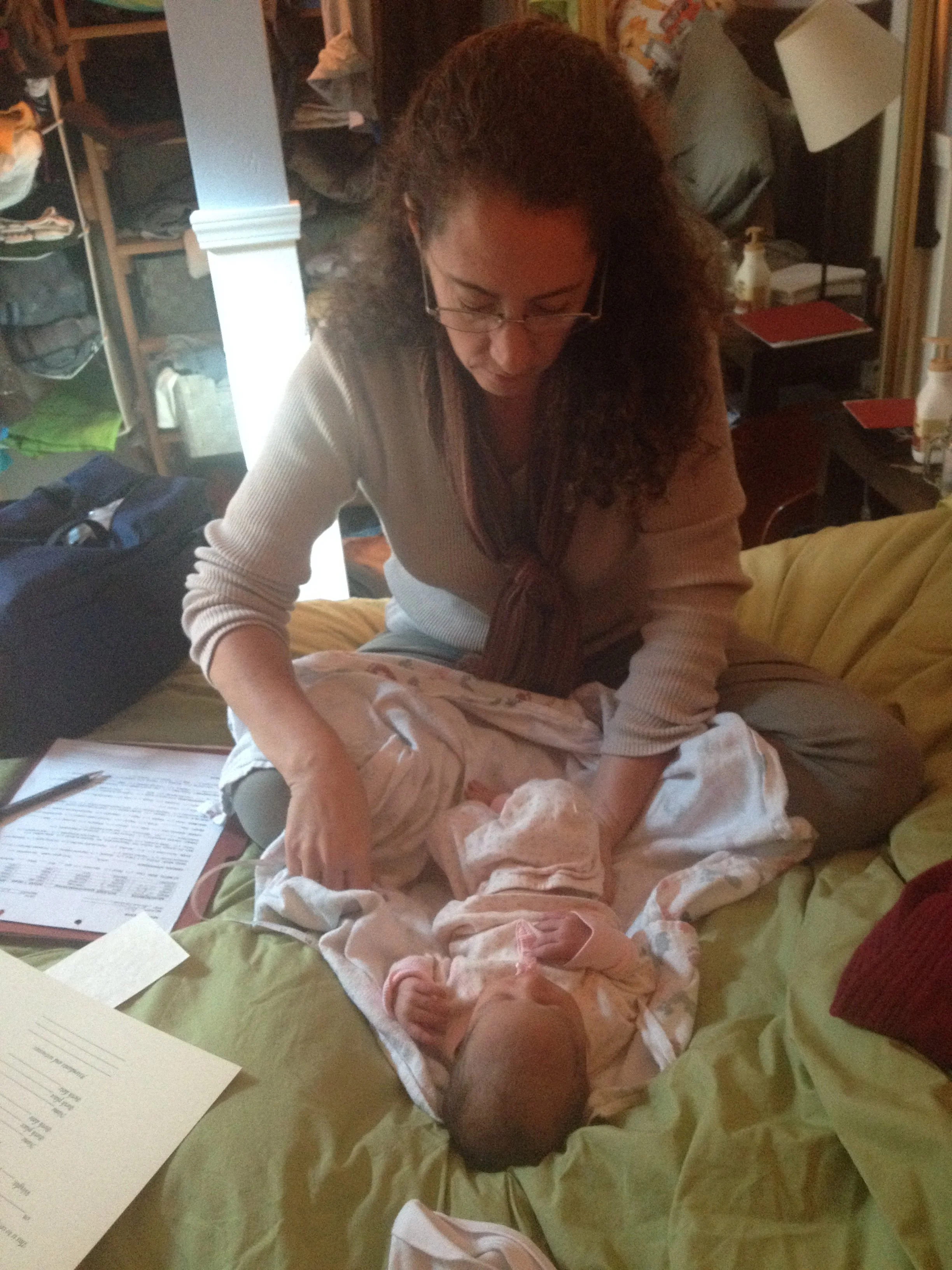
This work is a body-centered approach that supports the nervous system in processing, settling, and reorganizing early challenges or necessary interventions—often creating more capacity for ease, coordination, and connection for both babies and parents.
Sessions may incorporate Biodynamic Craniosacral Therapy, assessments of primary reflexes, mouth and tongue and suck/swallow/breathing coordination. Kirstin has more than 25 years of experience as a midwife to offer.
Sessions often include education and activities that can be continued at home.
Families are met where they are, without an agenda, need to fix, or pathologize, honoring the innate intelligence of the body.
A series of sessions is recommended as there are often many layers to the experiences
Sessions are best in person at your home or in Kirstin’s office.
This work does not replace medical, psychological or lactation care.
Principles of the work:
All are welcome - and all experiences are valid. This includes siblings and other important members of the family system. The space intentionally includes the infant supporting them to tell their story, through movement and vocalization.
Co-regulation - we prioritize going at the speed that supports all in being present and able to process what is coming up. A slower pace supports the members in being with and feeling each part of the experiences which opens space for healing.
Choice - We move at a pace that allows you to track your experience and that of your child to be curious about if the direction feels right. You have space to say yes, no, or maybe. "No" is always welcome and honored—it is actually a repair for times you may have been forced to do something without choice.
Self and infant care - Please eat, rest, hydrate, eliminate—whatever you need to support yourself and your child. Self-care supports not just you but the entire group. Taking care of yourself is a contribution to the whole.
Mutual Support and connection - We support all members of the family to maintain connection in a way that mutually respects and encourages everyone's well being. We practice making brief, frequent eye contact to maintain connection. It also prevents too much focus on the infant, which can feel overwhelming.
Touch & Attention - When touch is offered, it comes with mindfulness and pacing. Every step of the way, the person receiving touch has choice. We also practice differentiating touch from attention—recognizing that all beings are as responsive to what we do with our attention as to physical contact.