
Biodynamic Craniosacral Therapy
Biodynamic Craniosacral Therapy
is a gentle, calm, hands-on method of supporting the underlying health of the body even when challenges are present.
After an exploration defining the intention the client has for the session, the practitioner attunes to the nervous system, complementing the body's natural healing process.
BCST practitioners understand how an optimally functioning healthy nervous system performs. I trained for years on how to use acute perception skills to perceive subtle physiological changes. I am also aware of the energetic map that underlies one's basic health and symptoms.
I believe that health is never lost no matter what the ailment.
I use my ability to identify the parts of the nervous system that are not functioning optimally and utilize my awareness of the "always available health" in the body to assist the system in bringing itself back into balance.

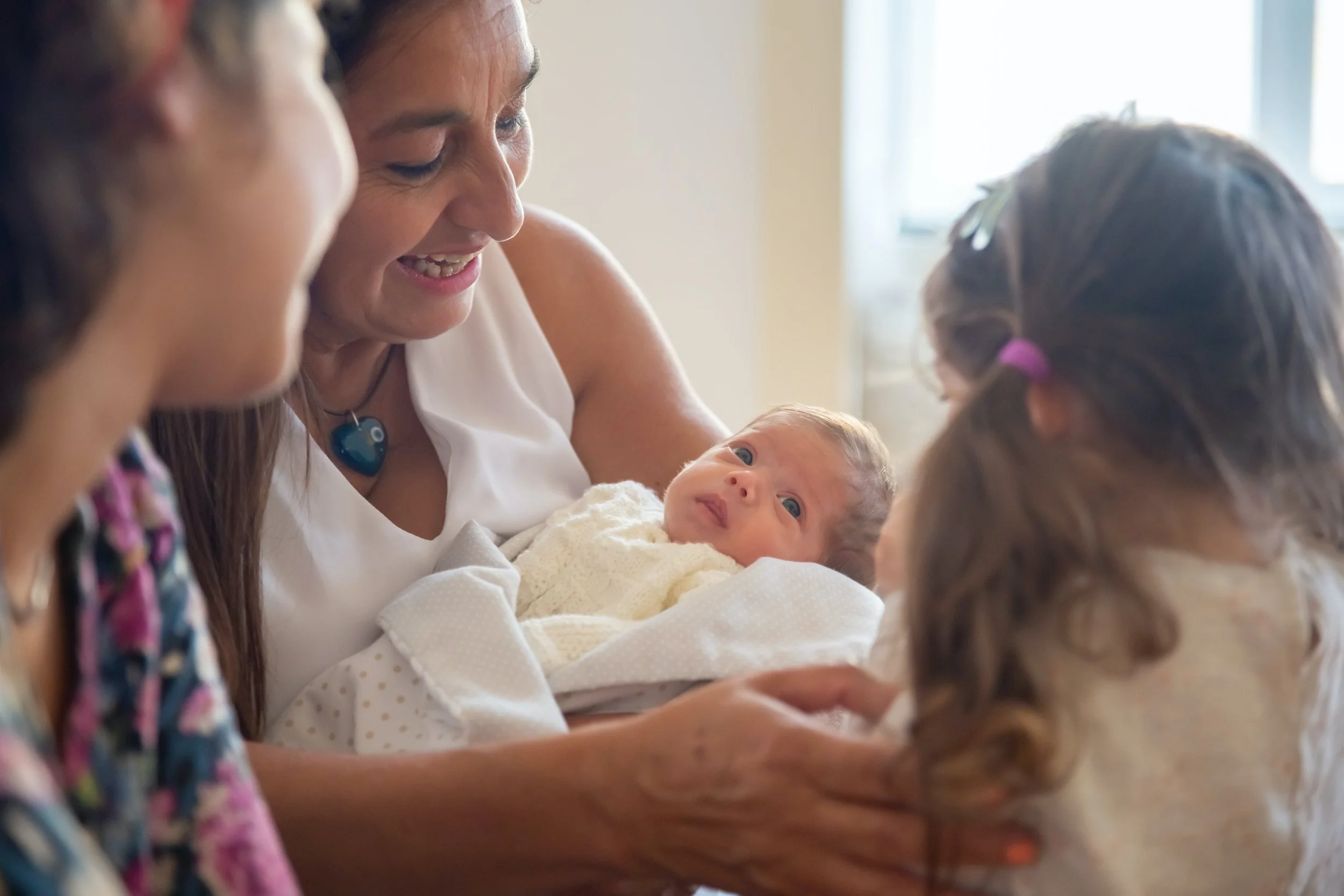
BCST for infants
Sessions are centered around the baby and their family. The sessions are collaborative, non-directive, and deeply respectful of the baby’s timing, rhythms, and capacity for integration.
Birth trauma lives in the tissue, the nervous system, and the relational field. Through BCST, we can support babies in completing what was interrupted —whether from interventions, prolonged labor, cesarean birth, or other complications.
This work is not about imposing a technique or change but about listening deeply to the baby's priorities, supporting ease, the expression of lived experience and deep attuned witnessing.
Sessions often involve gentle touch, a slowing down, speaking to and orienting to baby as a conscious and sentient being.
Occasionally other perspectives are brought in: midwifery, lactation support, primary reflex evaluation, tongue tie evaluation and more.
Possible reasons to reach out:
A challenging birth
Infant's head is misshapen
Infant is "fussy", "grunty", or seems unhappy
Infant looking mainly one way
Breastfeeding challenges
Tongue or lip tie
Torticollis, plagiocephaly
Sleep concerns
Bonding and attachment
Colic, reflux, constipation

BCST for Adults can address:
An imbalance in the nervous system
Stress
Anxiety or depression
Chronic pain
Coping with changes
Examining one's own birth and early life challenges
Mood fluctuations
Hormonal imbalances
Assisting with healthy conception
Providing support for physical and emotional challenges during pregnancy